

WHY THIS MATTERS FOR SCHOOLS
The lesson after Ggaba
The tragic attack at Ggaba Early Childhood Development Program in Kampala was a painful reminder that school safety cannot rely on trust, routine, and goodwill alone. The incident shocked parents, school owners, teachers, and the wider public.
This article is not about fear. It is about prevention, preparedness, and responsibility.
For schools, daycare centres, clinics, churches, offices, and other public-facing facilities, the lesson is clear: safety must be designed. A gate is not a security system. A guard without procedure is not enough. Cameras that do not cover the right places are not useful when something goes wrong.
A practical safety plan combines CCTV, access control, visitor verification, trained staff, clear pickup rules, and a response procedure that everyone understands.
Bottom line: CCTV is useful, but only when it is part of a layered safety system.
CCTV is not just for recording crime
Many people think of CCTV as something that helps after an incident. That is true, but it is only part of the value.
A well-planned CCTV system can deter suspicious activity, help guards monitor the gate, identify people entering and leaving, support safe pickup and drop-off, reduce blind spots, and provide evidence for police and management when there is a dispute or incident.
The real issue is layered security
CCTV alone cannot prevent every incident. It must be supported by gate control, visitor logs, parent/guardian verification, escorted movement beyond reception, clear pickup rules, trained staff, and an emergency response plan.
Uganda Police guidance has also emphasized visitor recording, restricted unnecessary entry, vehicle checks, visible gate security, and verification of people picking children.
Coverage gaps to check
A Quick School Safety Checklist
School owners and administrators can start with these practical checks before deciding what to upgrade.
Instructions
Review gate and visitor-control procedures
Confirm who is allowed into the compound, how visitors are logged, where they wait, and who escorts them beyond reception.
Verify parent and guardian pickup rules
Maintain an authorized pickup list for each child, verify ID where needed, and require written approval when a different person is sent.
Map CCTV coverage and blind spots
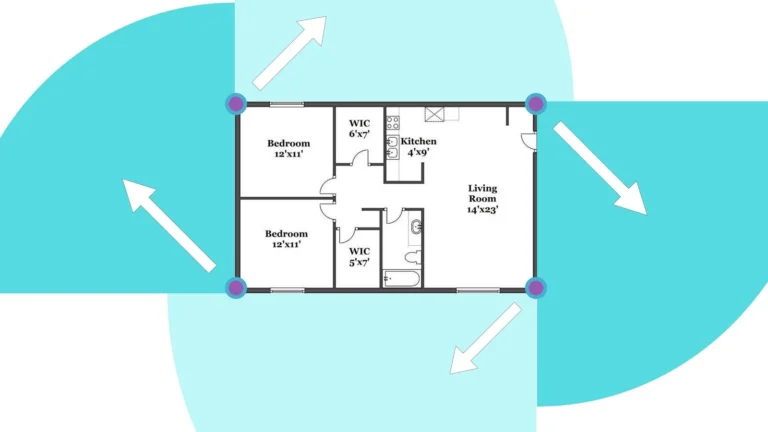
Check the gate, reception, pickup zone, classroom corridors, playground, parking, perimeter, kitchen/store entrances, and key walkways. Avoid private areas.
Test recording, storage, power, and footage retrieval
Confirm cameras record clearly day and night, storage keeps useful history, backup power supports critical equipment, and staff know how to export footage.
Train staff on emergency response
Define who calls police, who secures children, who controls the gate, who informs management, who communicates with parents, and how footage is preserved.
How MCRS can help
MCRS helps schools, daycare centres, clinics, offices, churches, and businesses design and improve CCTV and access-control systems.
- CCTV site surveys and blind-spot mapping
- Camera placement and coverage planning
- Gate and visitor-control planning
- Network and cabling design
- Backup power planning for CCTV systems
- Secure remote viewing setup
- Recorder storage planning
- Maintenance and troubleshooting
If you manage a school or business, do not wait for an incident before reviewing your security setup. Book a CCTV and access-control assessment with MCRS and identify weak points before they become a crisis.
Sources
- Uganda Police Force: Four Children Killed in Ggaba Daycare Attack; Suspect Arrested
- Uganda Police Force: Security and Safety Advisory as Schools Open
- The Independent: Schools tighten access rules after Ggaba Daycare horror
- Daily Monitor: CCTV analyst details suspect’s movements before Ggaba kindergarten killings

